
NFPA 2024 Shows Why Fire Safety Needs New Urgency
An electrical engineer breaks down key lessons from the NFPA Conference 2024 and why outdated wiring, rising electrical loads, and weak fire protection put Caribbean homes and businesses at growing risk. Learn the simple upgrades that improve safety and reduce the chance of electrical fires.
Aaron Ogeer
9/13/20242 min read
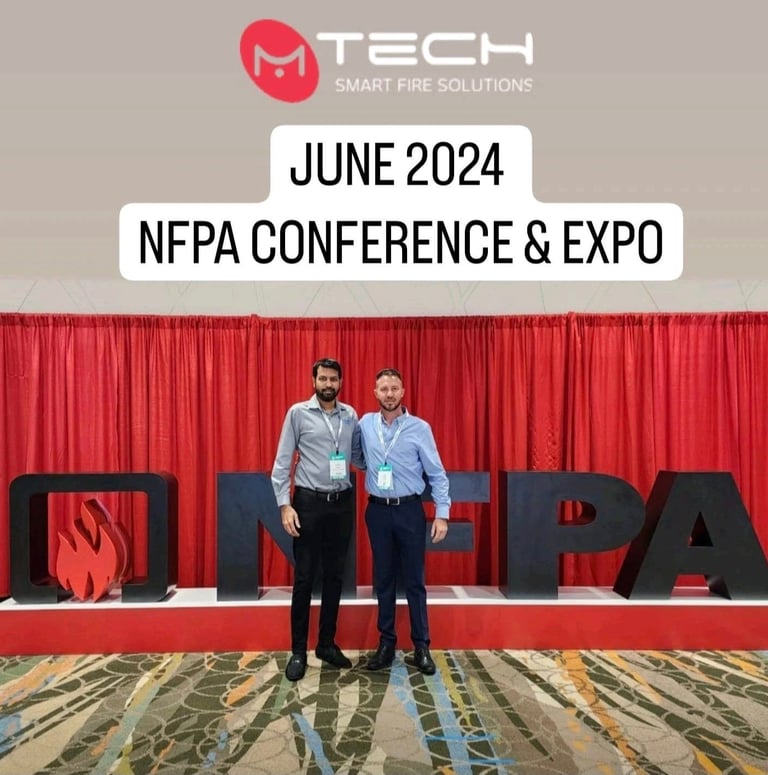
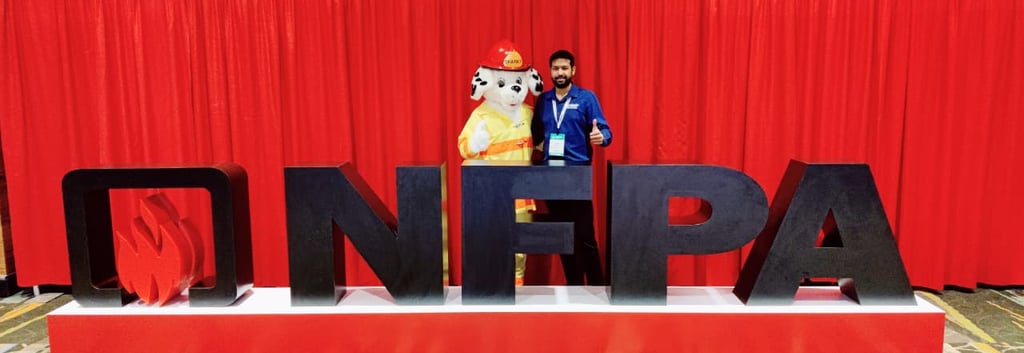
As an electrical engineer working in the Caribbean region, I attended the NFPA Conference & Expo 2024 and came away with a deep sense of urgency. The topics discussed may seem geared to large buildings in North America—but they matter to our homes and businesses here too.
Key takeaways
The conference brought together roughly 8,000 professionals from fire, life-safety and electrical disciplines. FLS EUROPE+1
Over 120 educational sessions addressed topics from emerging electrical hazards, code updates, to disaster-preparedness. FLS EUROPE
A major focus: building codes and fire-safety standards must evolve to match new threats such as increased electrical loads, battery and solar systems, and older buildings with poor wiring.
What this means for the Caribbean
Many Caribbean homes and small businesses are built under older standards, or may lack regular electrical inspection. As we add air-conditioners, inverters, solar panels, the wiring and protection must keep up.
Code updates discussed at NFPA include changes in the NFPA 101: Life Safety Code (2024 edition) that emphasise early occupant response, detection and escape. NIA
The integration of electrical and fire safety is critical. Faulty wiring, overloaded circuits or improper installations are as much a fire hazard as lack of sprinklers or alarms.
Practical steps you can take now
Carry out an electrical safety audit of your home or business. Check for overloaded circuits, old wiring, absence of residual-current circuit breakers (RCCBs) or circuit protection devices.
Install smoke alarms and carbon monoxide detectors in key areas. The NFPA announced the theme for fire prevention week 2024 as: “Smoke alarms: make them work for you!” nfpa.org
Educate staff or family members on an electrical shutdown plan in case of fire risk: unplug non-essential loads, shut off main breaker if safe, evacuate.
For business premises: assess if your wiring supports current loads, especially if you have equipment like servers, heavy air-conditioning, or battery systems. Consider fire-rated protection around critical circuits.
Work with local certified electricians and fire-safety professionals who understand both wiring constraints and fire-protection codes.


Why I’m concerned
When I look at a small commercial building or a family home here in the Caribbean, I often see electrical panels from the 1990s, no clear fire-escape route, sometimes a basement or attic used for storage without proper fire protection. At the NFPA conference I saw how those gaps are exactly where disaster starts: wiring faults, delayed alarm, minimal compartmentation. As an engineer I know the wire is only half the job—fire safety is about the system around it.
Final word
Fire safety is not optional. For our region where climate risks (storms, lightning) and ageing infrastructure add pressure, the lessons from NFPA 2024 are very real. Upgrading wiring, installing detection, having a plan these are practical steps you can take this week. If you want, I can prepare a checklist customised for Trinidad & Tobago conditions, wiring standards and fire-safety code gaps.
Contact
Get in touch for inquiries and support
Follow
Get Industry Updates on Fire Safety
© 2025. All rights reserved.