
Gas Leaks Move Fast. A Detector Warns You Faster.
A gas detector gives your home a simple layer of protection. It warns you early when a leak starts to build, long before a spark can turn it into a fire. You keep your family safe with clear alerts, quick action, and peace of mind. This small device guards your home every hour of the day so you never get caught off guard.
Aaron Ogeer
2 min read
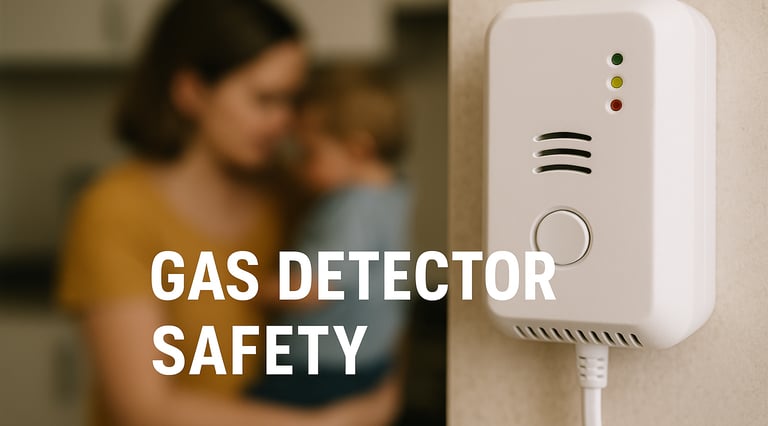
Having a gas detector in your home offers real, strong safety benefits for you and your family. Let’s discuss how one simple device can make a big difference.
Why the risk is serious
A gas leak can build up quietly over days or weeks. One source explains: for low-level leaks you might only feel symptoms like headaches or nausea after several days or weeks; for larger leaks you might feel ill within minutes. Morris & Dewett Injury Lawyers+2waderobertsplumbing.com+2
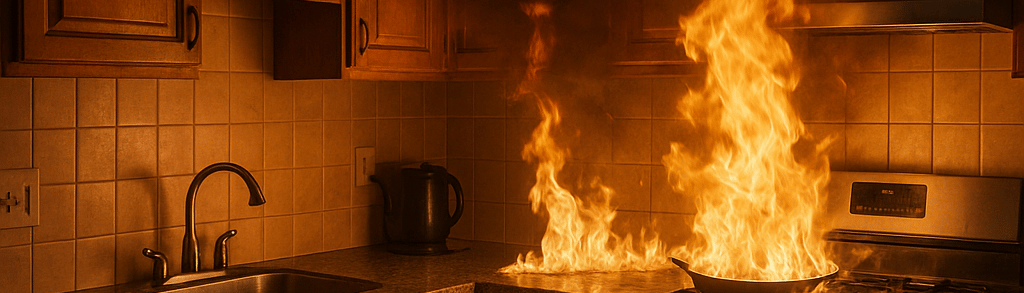
When gas accumulates and finds an ignition source — for example a spark from an appliance switch or a pilot light — it can lead to fire or explosion. HowStuffWorks+1
One incident showed rapid escalation: in the Merrimack Valley gas explosions (Massachusetts, 2018), the build-up happened in minutes and multiple homes exploded within a short span. en.wikipedia.org
Even after a leak is stopped, ventilation may be required for at least 30 minutes in order to clear the danger of gas accumulation. Päästeamet+1
What a gas detector does
It monitors the air for elevated levels of flammable gas before you might smell or notice the danger yourself. For example, one safety guide explains that a detector can alarm before gas reaches the explosive concentration risk. coned.com
It gives you early warning. That means you get more time to evacuate, shut off gas, call for help, or ventilate the space — rather than discovering the hazard only after damage has occurred.
It adds a layer of protection for days when you might not notice subtle warning signs (like mild symptoms, smell of “rotten eggs”, or a faint hissing sound) but risk is increasing anyway. Constellation+1


For your home and family
Because you care about safety for your child, your home, and your peace of mind, here are practical steps:
Install a certified gas detector in areas where gas appliances are used (kitchen, utility room, near a water heater).
Make sure the detector is appropriate for the type of gas used (natural gas, LPG, etc).
Test the detector monthly and replace it according to manufacturer’s recommendation. Some detectors last 3-10 years depending on sensor type. firesupplies.in
Teach everyone in the home: if the alarm sounds, leave immediately, do not switch electrical appliances on/off, and call for help from a safe place.
Combine the detector with other safety habits: regular inspection of gas appliances, knowing how to shut off the supply, ventilating the space if you suspect a leak.
Bottom line
A gas detector provides early, sometimes life-saving warning. It does not replace safe installation, regular maintenance, or good habits but it gives you a critical backup. If a leak begins and you are unaware, a detector may be the difference between a safe outcome and an avoidable disaster.
Contact
Get in touch for inquiries and support
Follow
Get Industry Updates on Fire Safety
© 2025. All rights reserved.